
Our treatments. Regenerative & precision care.
When conservative measures are not enough, our physician-led clinic offers advanced biological therapies, precision nerve treatment and supportive systemic therapies designed to restore function and treat the root cause.
Every treatment, explained simply
Select any treatment to read what it involves, the conditions it helps and what recovery usually looks like. Your physician confirms which option suits your diagnosis.
PRP & Regenerative InjectionsA small sample of your own blood is concentrated into platelet-rich plasma and placed precisely into the injured tendon, ligament or joint to support natural repair.
- Commonly used for knee osteoarthritis, tennis elbow, plantar fasciitis, Achilles and patellar tendon problems, rotator cuff strain and partial ligament injuries.
- The injection is guided by high-resolution ultrasound, so the treatment reaches the exact tissue causing your pain.
- Most people are back to light daily activity the same day, with a graded physiotherapy plan to protect the healing tissue.
- Relief is usually gradual, building over four to twelve weeks as the tissue responds.
Suitability is confirmed after clinical examination and, where needed, imaging and blood parameters.
VENOM™ Radiofrequency Ablation (RFA)Controlled heat is applied to the small sensory nerves carrying your pain signal, calming pain from spine, knee, hip or shoulder joints without open surgery.
- Used for chronic facet joint pain in the neck and back, sacroiliac joint pain, knee osteoarthritis, cervicogenic headache and selected nerve pain.
- A diagnostic nerve block is often performed first to confirm the exact pain generator before ablation.
- The procedure is done under live imaging with sensory and motor testing, so movement-controlling nerves are protected.
- It is a day-care procedure, and relief commonly lasts several months to well over a year.
Epidural & Spinal InterventionsTargeted, image-guided injections and epiduroplasty that relieve pressure and inflammation around irritated spinal nerves.
- Helpful in disc-related leg pain (sciatica), spinal canal narrowing, scar tissue around nerves and persistent back pain.
- Performed under fluoroscopy so medication reaches the affected nerve level precisely.
- Often used to create a comfortable window for rehabilitation to begin.
NeuromodulationGentle electrical signals are used to change how pain messages reach the brain, for pain that has not responded to other treatment.
- Considered for long-standing nerve pain, failed back surgery pain and complex regional pain syndrome.
- A trial phase is used first, so you can experience the benefit before any longer-term step is planned.
- Care continues alongside physiotherapy and psychological support for the best functional result.
Ultrasound-Guided Joint & Soft Tissue InjectionsPrecise injections into joints, bursae, tendon sheaths and trigger points, placed under real-time ultrasound rather than by feel.
- Used for shoulder impingement, frozen shoulder, hip bursitis, knee and small joint pain and myofascial trigger points.
- Image guidance improves accuracy and comfort and reduces the chance of a repeat procedure.
- Usually takes a few minutes, with normal activity resumed the same day in most cases.
MAHT & EBOO Ozone TherapyMedically supervised blood ozone therapies used as supportive treatment for inflammation, fatigue and slow recovery.
- Blood is treated with a precise medical ozone and oxygen mixture in a closed system, then returned safely to the body.
- Considered alongside pain treatment for chronic inflammatory conditions, fibromyalgia, post-viral fatigue and slow tissue recovery.
- Every session is monitored by a physician, with vital signs checked throughout.
These are supportive therapies used with medical treatment, not a replacement for it.
Hyperbaric Oxygen Therapy (HBOT)Breathing oxygen in a pressurised chamber so more oxygen reaches tissues with reduced blood supply.
- Used to support healing in slow-recovering wounds, chronic inflammatory conditions and post-procedure recovery.
- Sessions are comfortable, calm and supervised, and the recommended number is planned for your condition.
- Delivered as part of a wider plan that includes movement, nutrition and medical care.
Pain conditions we treat
Select any joint or area on the figure below to see the specific conditions, injuries and evidence-backed therapies we provide.
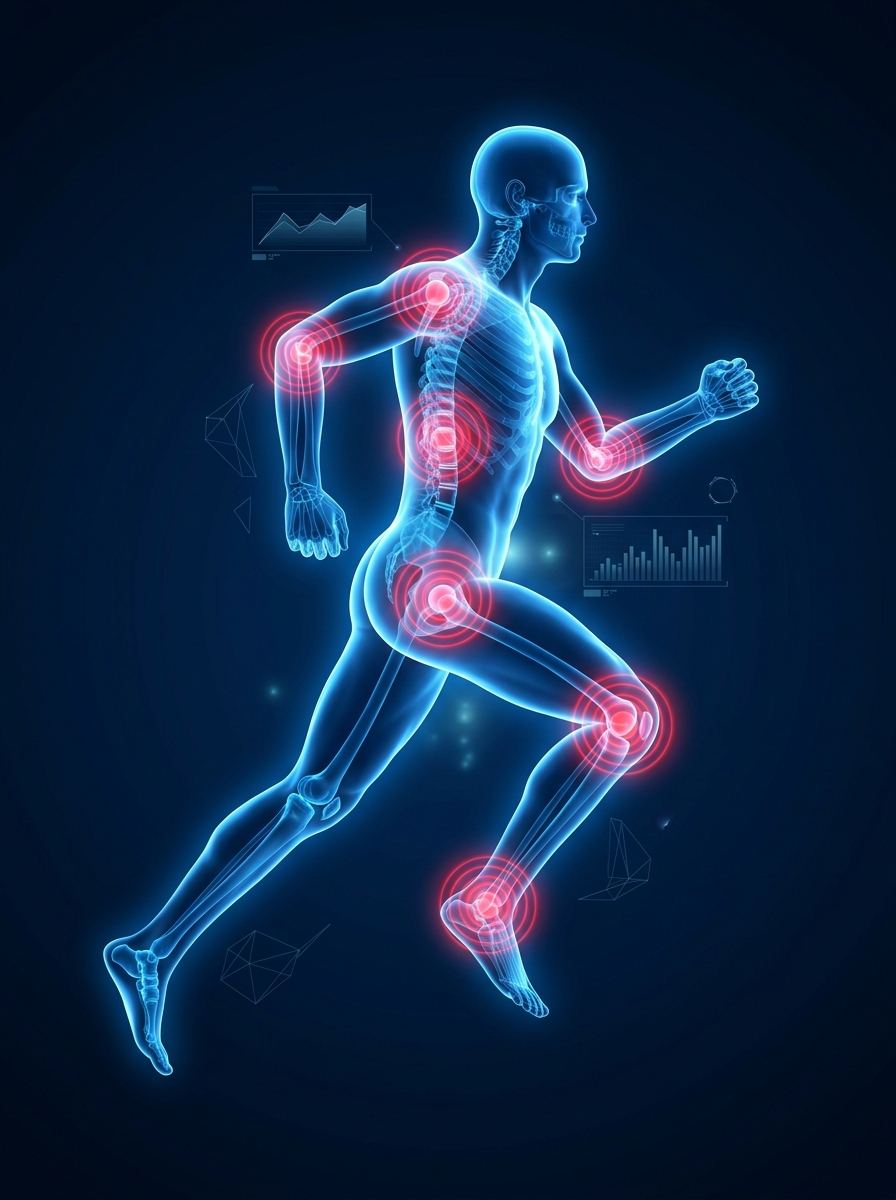
Knee Joint & Ligaments
Conditions We Treat in this Area
Recommended Interventional Pathways:
PRP & Regenerative Therapies for Chronic Pain
Chronic pain can often result from tissue degeneration, persistent inflammation, tendon or ligament injury, joint disease, and nerve-related conditions. Platelet-Rich Plasma (PRP) and regenerative therapies aim to support the body’s natural healing processes and may help reduce pain, improve function, and promote tissue repair in appropriately selected patients.
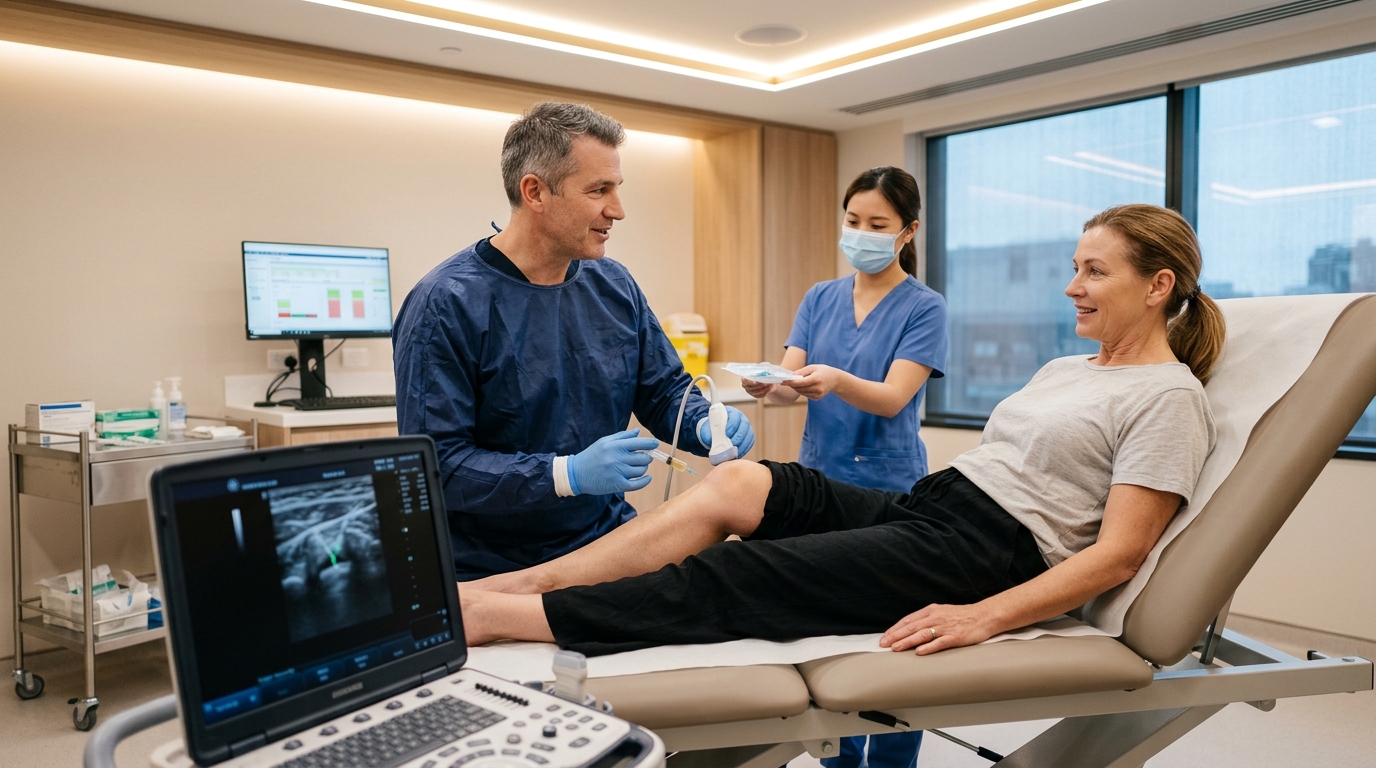
Precision Ultrasound Guidance
Every regenerative injection at Thrive is performed under high-resolution ultrasound guidance to guarantee direct placement into target tendons, ligaments, and articular cartilage.
How Does PRP Work?
PRP is prepared from a small sample of the patient’s own blood and contains a concentrated level of platelets and bioactive growth factors. After injection into the targeted area, PRP may:
- Modulate inflammation and pain signalling
- Release growth factors for tissue repair
- Stimulate collagen & tenocyte activity
- Support healing of tendons & ligaments
- Promote cartilage & soft-tissue repair
- Improve joint function and reduce pain
Role in Chronic Pain Conditions
Regenerative therapies are commonly considered for chronic musculoskeletal pain that has not adequately responded to medications, physiotherapy, or other conservative treatments.
Indications & Clinical Evidence for PRP Therapy
1. Tendinopathies
Level I - III- Tennis Elbow (Lateral Epicondylitis): Level I evidence; strong long-term evidence for pain relief and functional improvement.
- Patellar Tendinopathy: Level II–III; beneficial in selected chronic cases.
- Achilles Tendinopathy: Level II–III; may help chronic, treatment-resistant cases.
- Rotator Cuff Tendinosis / Partial Tears: Level II; improves pain and function.
2. Joint Disorders
Level I - III- Knee Osteoarthritis: Level I; strong evidence for pain relief and functional improvement.
- Hip Osteoarthritis: Level II–III; promising outcomes in mild-moderate wear.
- Focal Cartilage Lesions: Level III; effective adjunct in cartilage restoration.
3. Ligament & Soft Tissue
Level I - IV- Chronic Plantar Fasciitis: Level I; effective for durable relief and return to activity.
- Partial MCL Sprains: Level III–IV; supports faster ligament recovery.
- Grade II Muscle Tears: Level III; potential for faster return to activity.
- Post-Surgical Healing: Rotator Cuff Repair, ACL & Meniscus repair adjunct.
Who Is Eligible for PRP?
- • Chronic pain caused by a diagnosed musculoskeletal condition
- • Persistent symptoms despite conservative physiotherapy or medication
- • Mild to moderate degenerative joint changes (K-L Grade I-III)
- • Chronic tendon, ligament, or soft-tissue injury
- • Adequate blood parameters and platelet count with realistic recovery expectations
Contraindications & Precautions
- • Active local or systemic infection
- • Severe platelet disorders, thrombocytopenia, or active hematologic malignancy
- • Significant uncontrolled bleeding disorders or acute instability
- • Ongoing anticoagulant therapy (individual medical decision required)
- • Severe end-stage (Grade IV) joint bone-on-bone degeneration where surgery is indicated
MAHT and EBOO Therapy
MAHT (Major Autohemotherapy) and EBOO (Extracorporeal Blood Oxygenation and Ozonation) are advanced blood-based ozone therapies used as adjunctive treatments to support systemic wellness, oxidative balance, inflammation modulation and recovery.
How Do MAHT and EBOO Work?
These therapies involve processing a patient’s blood in a controlled extracorporeal closed-loop system, where blood is exposed to a precise medical ozone–oxygen mixture before being returned safely to the body.
Proposed Biological Pathways:
- Oxidative stress and antioxidant enzyme defence (SOD, Catalase)
- Inflammatory signalling and cytokine modulation
- Microcirculation and cellular tissue oxygen utilisation
- Immune and metabolic regulation
Clinical Principle: The therapeutic goal of medical ozone is controlled biological modulation through hormetic signaling, not simply increasing dissolved oxygen levels.
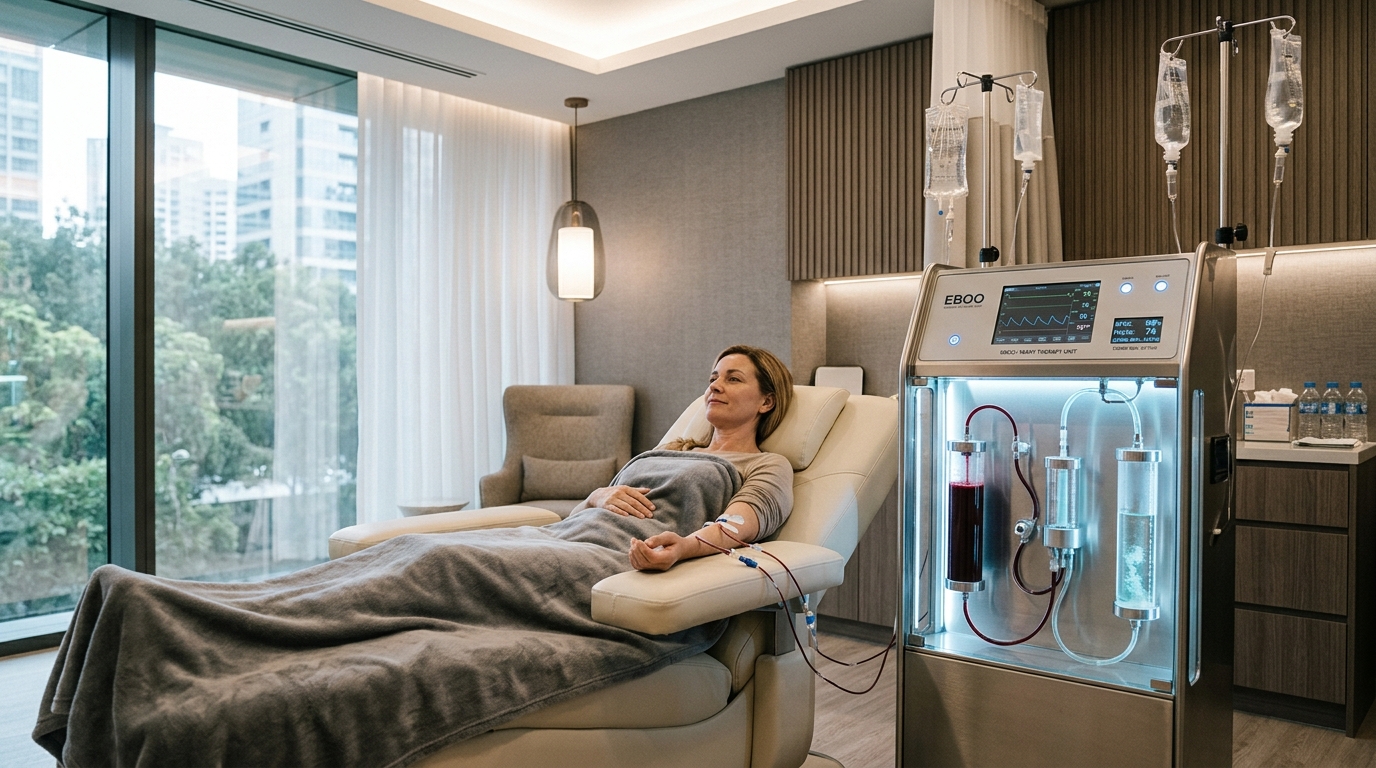
Clinical Extracorporeal Ozone Delivery
Delivered in private, serene wellness suites under direct medical supervision and vital sign monitoring.
Role in Chronic Inflammation
- • Reduction of systemic oxidative stress
- • Modulation of inflammatory cytokines
- • Improved antioxidant enzyme activity
- • Enhanced microvascular perfusion
- • Support for metabolic & immune homeostasis
Role in Pain Management
- • Chronic musculoskeletal & myofascial pain
- • Osteoarthritis & degenerative joints
- • Chronic spinal neck & back pain
- • Fibromyalgia & central sensitization
- • Post-viral fatigue and neuropathic syndromes
Recovery & Wellness Support
- • Reduced athletic fatigue & faster recovery
- • Cellular ATP & tissue oxygen uptake
- • Microvascular endothelial support
- • Management of long-term cellular exhaustion
- • General vitality and metabolic optimization
VENOM™ RFA for Chronic Pain
VENOM™ Radiofrequency Ablation (RFA) is an advanced conventional thermal radiofrequency system designed for precise treatment of selected chronic pain conditions. It uses specialised RF cannulae and electrodes to create targeted thermal lesions near pain-carrying nerves.
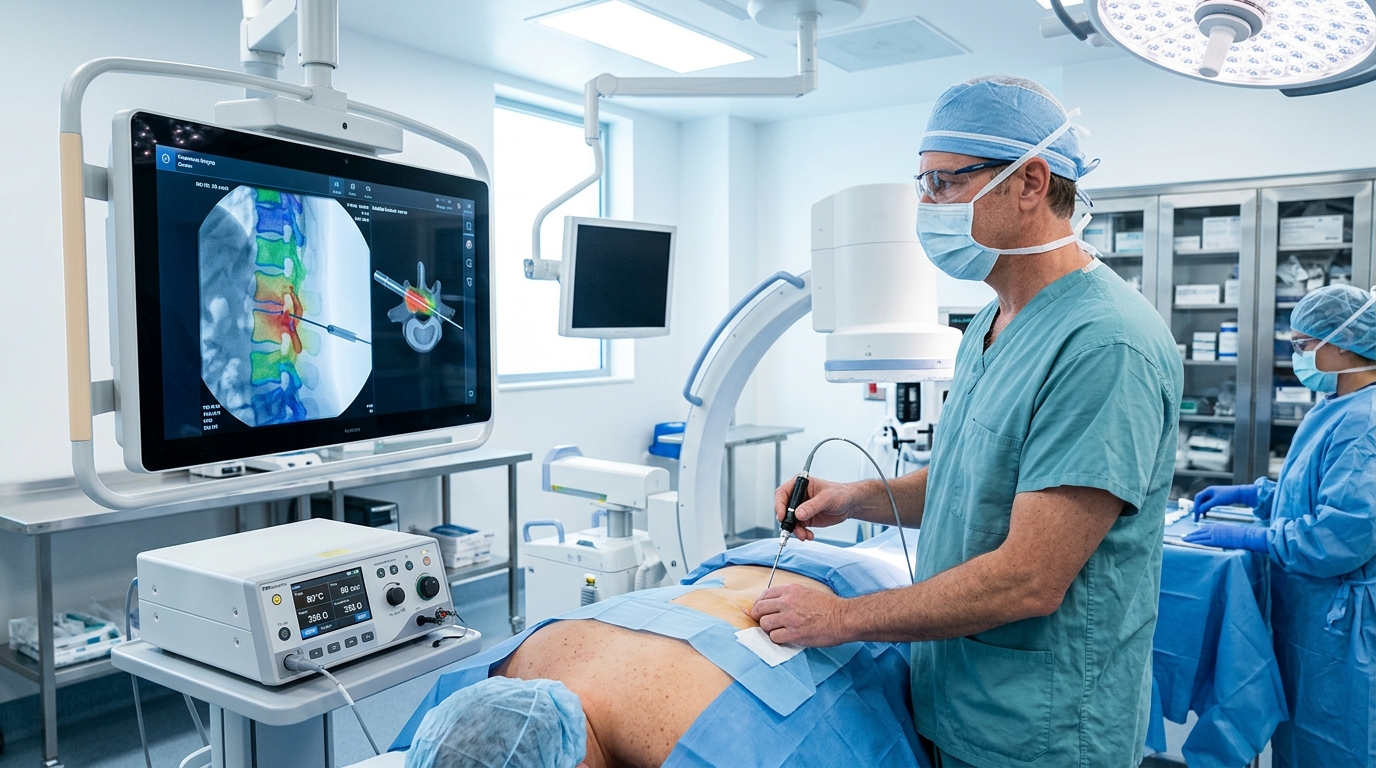
Fluoroscopic & Stimulation Confirmation
Real-time fluoroscopy and electrical sensory/motor stimulation ensure the exact sensory nerve is captured while safely protecting all motor nerves.
Mechanism of Action
VENOM RFA uses high-frequency alternating current to generate controlled heat around the active electrode. This produces thermal neurotomy of selected sensory nerves, interrupting transmission of pain signals while preserving surrounding motor function through careful needle placement and sensory/motor stimulation testing.
Procedural Advantages of VENOM™:
- Specialised active-tip design to help optimise lesion geometry
- Potential for larger directional lesions along the course of the nerve
- Precise stimulation-guided targeting before lesioning
- Efficient coverage of selected nerves with fewer needle repositionings
Common Uses & Clinical Indications
- • Chronic Facet Joint Pain: Cervical, thoracic and lumbar spine (Moderate to strong evidence)
- • Sacroiliac Joint Pain: Lateral branch thermal neurotomy
- • Chronic Knee Osteoarthritis: Genicular nerve ablation for non-surgical joint pain
- • Hip & Shoulder Joint Pain: Articular branch sensory nerve neurotomy
- • Occipital Neuralgia & Headaches: Cervicogenic headache relief
- • Peripheral Neuralgias: Targeted sensory nerve pain
Clinical Evidence & The Bottom Line
Successful patient selection usually involves clinical evaluation and, for many conditions, a positive diagnostic nerve block. RFA is most effective when the pain generator and target nerve are precisely identified.
"VENOM RFA is a precision-based, minimally invasive treatment option. The technology should be chosen based on the clinical indication—not simply because one machine is newer or more advanced."
Take the first step
Your pain ends here.
Your life begins.
You have more to life than managing pain. Take the first step towards better movement, greater comfort and a healthier tomorrow.
Prefer to call? +91 86395 09446